


















Exotics India

AUTHORIZED IMPORTER & DISTRIBUTOR OF PREMIUM INTERNATIONAL PET CARE BRANDS IN INDIA • 100% GENUINE PRODUCTS • SHOP WITH CONFIDENCE EXOTICSINDIA10

Wishlist

Top Products

Edit Template
AUTHORIZED IMPORTER & DISTRIBUTOR OF PREMIUM INTERNATIONAL PET CARE BRANDS IN INDIA • 100% GENUINE PRODUCTS • SHOP WITH CONFIDENCE EXOTICSINDIA10

Wishlist

Uncategorized

Hamster Bedding: How to Choose the Best Bedding for Hamsters

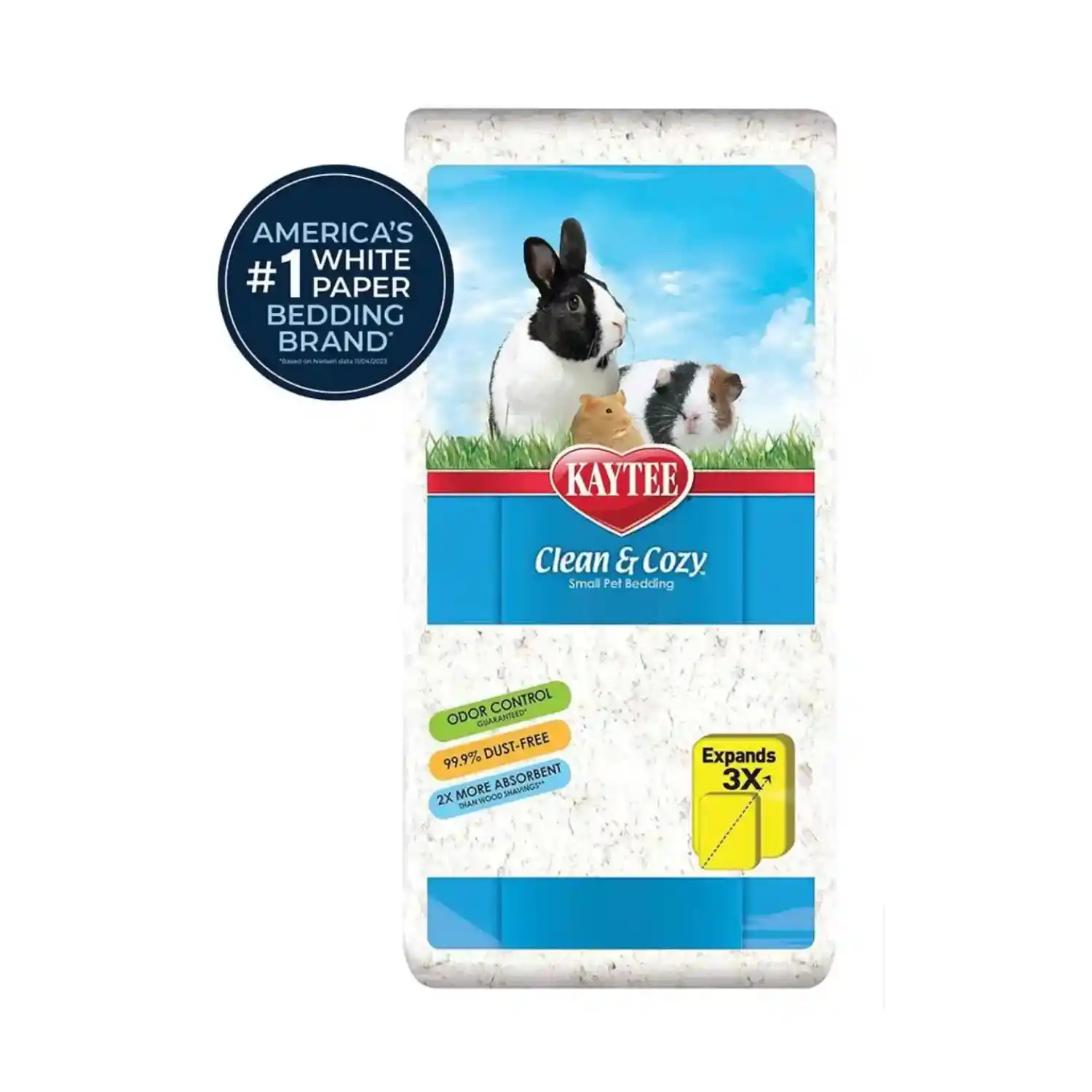
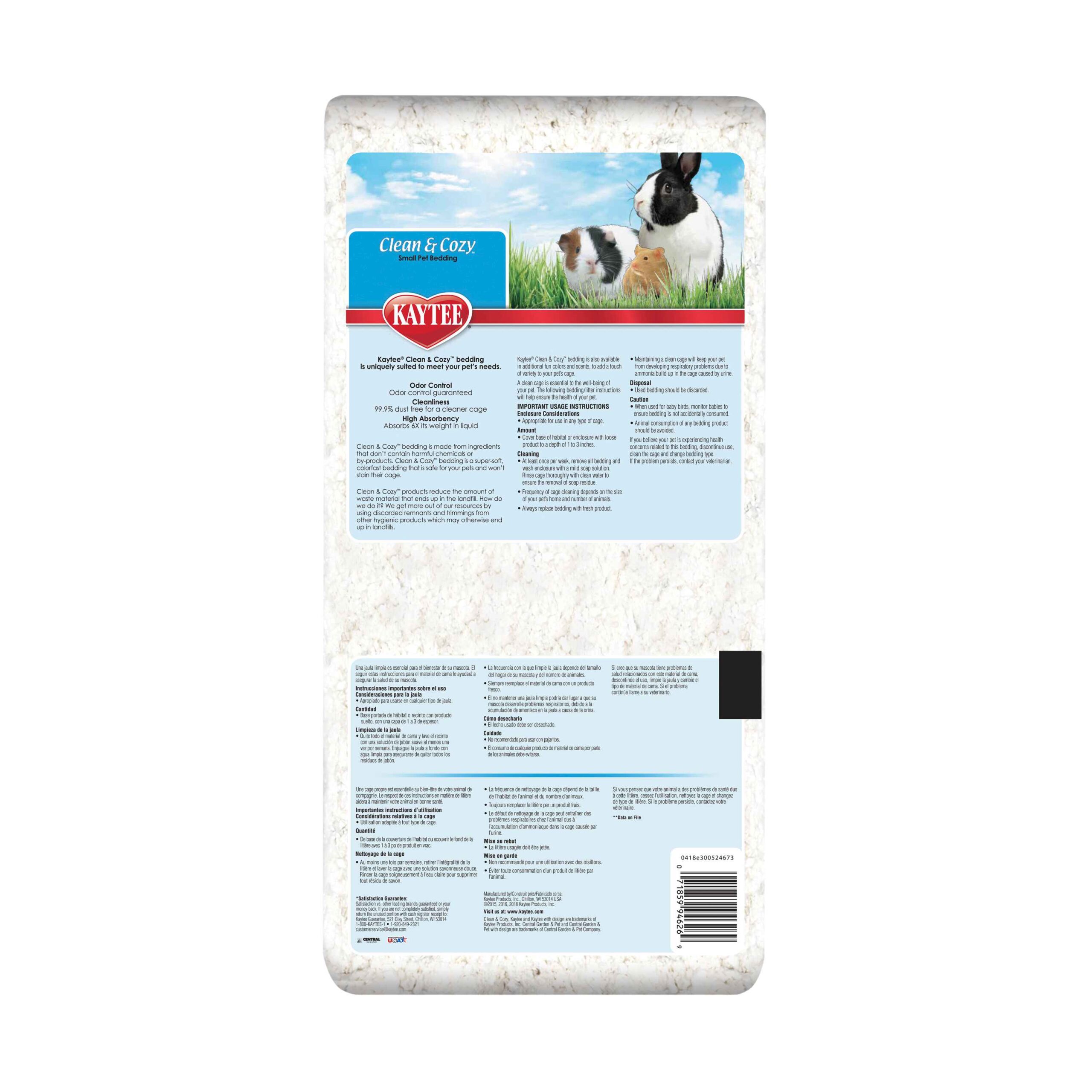
Choosing the right hamster bedding is one of the most important parts of creating a comfortable and enriching home for your hamster. Bedding isn’t simply something that covers the bottom of the enclosure. Hamsters naturally dig, burrow, hide, nest and store food, so their bedding becomes an important part of their everyday environment. Good bedding for hamsters should provide a comfortable surface, absorb moisture, help control odours and give your hamster enough material to express natural behaviours such as digging and burrowing. But what is the best hamster bedding? Is paper bedding suitable? How deep should hamster bedding be? And how often should you change it? This guide covers everything you need to know about choosing bedding for hamsters, including paper bedding, bedding depth, cleaning, safety and Kaytee hamster bedding options. Why Is Hamster Bedding Important? Hamsters are natural burrowers. They instinctively dig, create nesting spaces and seek sheltered areas where they can rest and store food. This means the right bedding for hamsters does considerably more than simply cover the enclosure floor. Good hamster bedding can: The objective is therefore to provide enough appropriate bedding for your hamster to interact with rather than using it only as a thin decorative layer. What Is the Best Bedding for Hamsters? The best hamster bedding should provide a balance of comfort, absorbency, cleanliness and support for natural behaviours. Look for bedding that is soft, absorbent, relatively low in dust and specifically suitable for hamsters or other appropriate small pets. Burrowing is another important consideration. Your hamster should be able to dig into the bedding, move it around and use it to create nesting areas. Is Paper Bedding for Hamsters a Good Choice? Hamster paper bedding is one of the popular choices for small-pet habitats. Purpose-made paper bedding for hamsters consists of processed paper fibres designed for use as animal bedding. Depending on the particular product, it can provide softness, moisture absorption and odour control while remaining lightweight enough for hamsters to move around. Its texture also makes paper bedding useful for nesting and creating deeper bedding areas. When choosing paper bedding, use a product specifically intended for small animals rather than assuming ordinary shredded household paper provides the same characteristics. For pet parents looking for Kaytee hamster bedding, one option available from Exotics India is Kaytee Clean & Cozy Extreme Odor 40L. https://exoticsindia.com/product/kaytee-clean-and-cozy-white-24-6l/ How Deep Should Hamster Bedding Be? Hamsters don’t just enjoy digging , burrowing is an important natural behaviour. In the wild, hamsters construct underground systems that can contain sleeping areas, food-storage chambers and separate areas for other activities. Providing enough hamster bedding allows a pet hamster to express some of these same behaviours inside its enclosure. A very shallow layer of bedding may absorb moisture, but it doesn’t provide enough material for meaningful digging or tunnel building. How much bedding depth should you provide? As a practical target, many hamster-care guidelines recommend providing a deep bedding area of around 20 cm (8 inches) or more where the enclosure allows it. Larger species, particularly Syrian hamsters, can benefit from even deeper areas because their bodies require more space to move through a burrow. Rather than treating this as an exact measurement that every enclosure must follow, the important question is whether your hamster has enough bedding to actually disappear beneath the surface and construct a usable burrow. If the enclosure cannot accommodate deep bedding everywhere, create a dedicated deep-bedding section rather than keeping the entire enclosure uniformly shallow. Can the bedding actually hold a tunnel? Depth isn’t the only consideration. Good bedding for hamsters should have enough structure to support the tunnels your hamster creates. If the bedding immediately collapses every time the hamster digs through it, having a large quantity of it becomes less useful for burrowing. Paper-based hamster bedding can work well for this purpose, particularly when it is gently compressed rather than left extremely loose and fluffy. Some owners also use suitable hay mixed through sections of paper bedding to add additional structure. Any additional material introduced into the enclosure should itself be appropriate for hamsters. Don’t compress bedding too tightly There is a difference between gently pressing bedding down so that it has some structure and packing it into a solid mass. Your hamster should still be able to dig through the bedding and rearrange it. The objective is to provide a substrate that can support a burrow while remaining easy for the hamster to manipulate. How Much Hamster Bedding Do You Need? There isn’t a universal number of litres or kilograms of hamster bedding that every owner needs. The amount depends primarily on: This is also why comparing bedding purely by package weight can be misleading. Litres vs weight: what should you look at? Small-animal bedding is frequently sold by volume, such as 20L, 40L or larger packs. It may also be compressed inside the package and expand considerably once removed. For bedding, volume can therefore be particularly useful because you’re ultimately trying to fill a certain amount of enclosure space. For example, the Kaytee Clean & Cozy product featured earlier in this guide comes in a 40L pack. That tells you its packaged bedding volume, but the amount required for your hamster will still depend on the dimensions and bedding depth of your particular enclosure. You don’t necessarily need the same depth everywhere One practical approach is to create different zones. You might have a particularly deep area of hamster bedding for burrowing while keeping areas around certain accessories more manageable. This can also help prevent wheels, bowls and other enclosure items from becoming unstable. Heavy accessories and hides should be positioned securely rather than simply resting on top of loose, deep bedding where they could shift as the hamster tunnels underneath. Looking for a larger pack? If you need a substantial amount of paper bedding for a deeper setup, Kaytee Clean & Cozy Extreme Odor is available in a 40L pack at Exotics India. How Often Should You Change Hamster Bedding? There

Uncategorized

Timothy Hay for Rabbits: Benefits, Feeding Guide & How to Choose the Best Hay

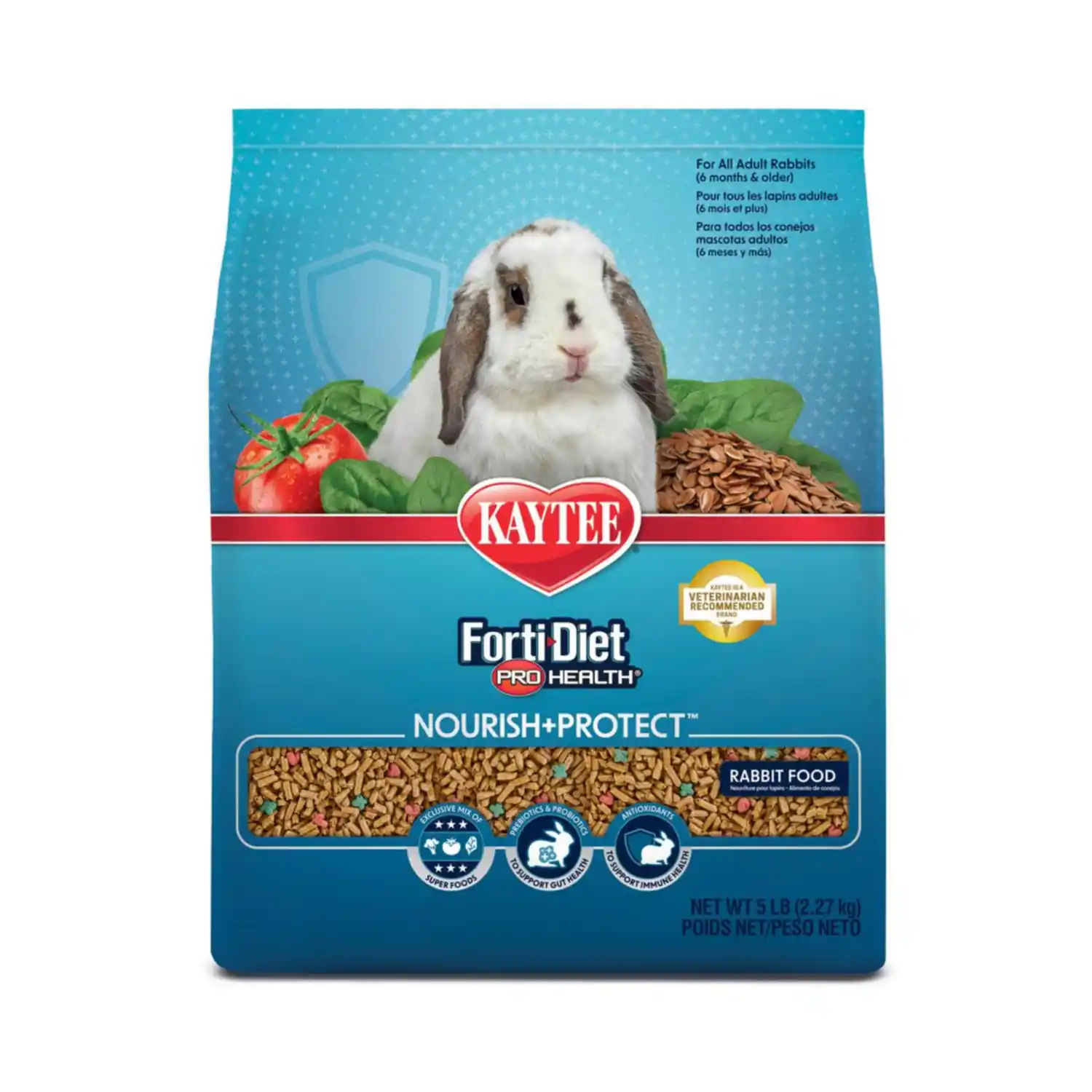
Choosing the right hay for rabbits is one of the most important parts of building a healthy daily diet. Rabbits are natural grazers, and suitable grass hay should make up the majority of what a healthy adult rabbit eats. Among the different choices available, Timothy hay for rabbits is one of the most widely used options. It provides the long-strand fibre rabbits need while encouraging the repeated grazing and chewing behaviour that supports digestion and natural tooth wear. If you’ve been searching for Timothy hay, Timothy grass, Timothy grass for rabbits, or simply the best hay for rabbits, this guide explains what Timothy hay is, why rabbits need it, how much to feed, how it compares with alfalfa, and how to choose the right option. What is Timothy Grass?   Timothy grass is a perennial forage grass commonly grown for herbivorous animals. Once it is harvested and properly dried, it becomes Timothy hay, one of the most widely used types of hay for rabbits and other small herbivores. The plant has long, narrow leaves and distinctive seed heads, and when dried it produces the fibrous strands rabbits naturally chew and graze on. Because Timothy is a grass hay rather than a legume, it is generally less rich than alfalfa, making it a popular everyday option for healthy adult rabbits. For rabbit owners, the distinction is simple: Timothy grass is the living plant, while Timothy hay is Timothy grass that has been cut, dried and stored for feeding. This is why people searching for Timothy grass for rabbits, Timothy hay for rabbits, or the best hay for rabbits are often looking for the same basic thing: a clean, fibrous grass forage that can form a major part of a healthy adult rabbit’s daily diet. The hay is also popular because its long stems encourage rabbits to spend more time chewing and grazing. That repeated chewing supports natural feeding behaviour and helps make it one of the most practical choices for everyday rabbit care. Why is Timothy Hay for Rabbits so Important? Hay should form the foundation of a healthy adult rabbit’s diet. Rabbits are natural grazers, which means their digestive systems are designed to process fibrous plant material continuously throughout the day. Good-quality hay for rabbits provides the long-strand fibre needed to support normal digestion and regular gut movement. Hay also plays an important role in dental health. Rabbit teeth grow continuously, and the repeated chewing and grinding required to eat fibrous grass hay helps provide natural tooth wear. This is one of the reasons Timothy hay for rabbits is so useful as an everyday feeding option. Another benefit is natural behaviour. Rabbits instinctively spend a large part of their day grazing and chewing. Keeping fresh Timothy hay available encourages this behaviour and gives them something appropriate to forage through instead of relying too heavily on pellets or treats. For most healthy adult rabbits, Timothy hay and other suitable grass hays should make up the largest portion of the daily diet. Pellets, leafy greens and treats can have a place, but they should not replace the constant supply of fibrous hay rabbits need. If you’re looking for a simple everyday Timothy hay for rabbits, Kaytee All Natural Timothy Hay is a practical grass-hay option for healthy adult rabbits. Its long, fibrous strands make it suitable for regular grazing and chewing, while the plain formulation makes it a straightforward choice for daily feeding. How much Timothy hay should a rabbit eat? For most healthy adult rabbits, it should be available throughout the day rather than offered as a small fixed portion. Rabbits are natural grazers, so they benefit from having constant access to clean, fresh hay whenever they want to eat. A simple way to think about the daily diet is that hay should make up the largest share, while leafy greens and a controlled amount of pellets play a supporting role. Fresh drinking water should also always be available. The exact amount a rabbit eats can vary depending on size, age, activity level and overall health, but the goal is not to ration Timothy hay too tightly. Instead, owners should make sure fresh hay is always available and replace any hay that becomes damp, dirty or unappealing. If your rabbit regularly leaves most of its hay untouched, it may be worth checking the freshness, texture and type of hay being offered. Some rabbits prefer different cuts or varieties, but a sudden drop in hay intake should be taken seriously because it can also be linked to dental or digestive problems. Want to Add some variety to their Timothy Hay? Kaytee Timothy Hay Plus Carrots – 24 oz A Timothy hay blend with carrot pieces for rabbit parents who want to add some variety while keeping Timothy hay as the main forage. See Product Kaytee Timothy Hay Plus Cranberry – 24 ozA cranberry variant built around Timothy hay, offering another option for rabbits that enjoy a little more variety in aroma and taste. See Product Kaytee Timothy Hay Plus Mint – 24 ozA mint-flavoured Timothy hay option that adds a different aroma while still keeping Timothy hay at the centre of the feeding experience. See Product Final Thoughts Timothy hay is one of the most useful everyday forage choices for healthy adult rabbits because it combines long-strand fibre with the kind of chewing and grazing behaviour rabbits naturally need throughout the day. When choosing Timothy hay for rabbits, the goal is not simply to look for the greenest pack on the shelf. Freshness, cleanliness, dryness, fibre length and overall quality matter much more. A good hay should smell fresh, feel dry, contain plenty of fibrous strands and be free from obvious mould, dampness or excessive dust. It is also important to remember that rabbits can have individual preferences. Some may happily eat plain Timothy hay, while others may respond better to varieties with added carrot, cranberry or mint. Offering a little variety can sometimes make hay more interesting, but it should

Shopping Cart
Product Reminder We will inform you when the product arrives in stock. Please leave your registered email address below.
You need to Login for joining waitlist.
0